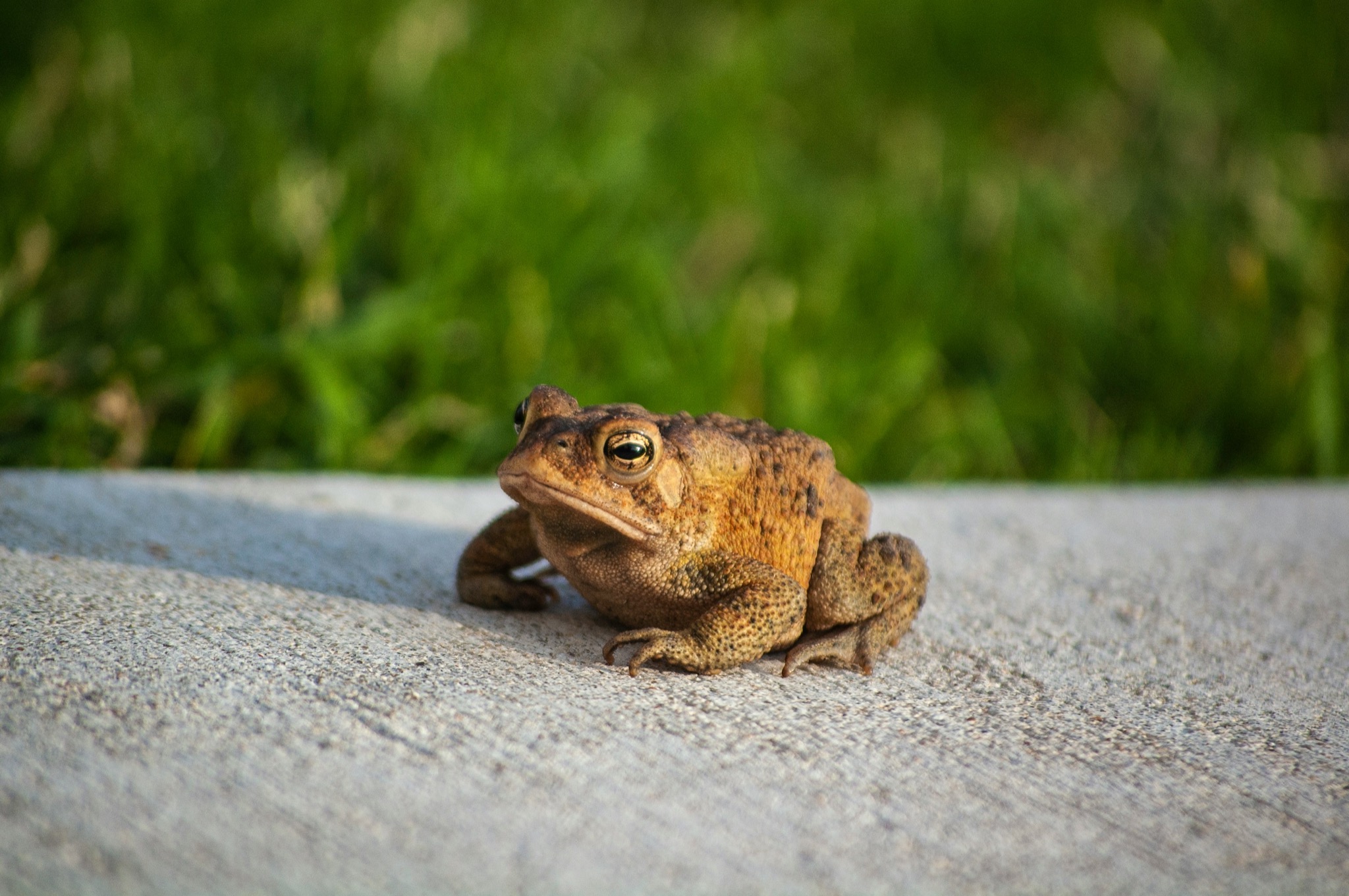
Why It’s Illegal to Lick Toads in California: The Law Behind a Bizarre Behavior
You may have heard the internet joke—or urban legend—about people getting high from licking toads. But in California, this behavior isn’t just strange, it can actually be illegal. While there’s no law that literally states “no licking toads,” the psychoactive compounds secreted by certain toads are controlled substances, and using or possessing them can violate both state and federal drug laws.
So yes—licking the wrong toad can land you in legal trouble.
What’s Really Going On: The Sonoran Desert Toad
The center of this issue is the Sonoran Desert toad (Incilius alvarius), also known as the Colorado River toad. This amphibian secretes a powerful hallucinogenic substance called 5-MeO-DMT, a Schedule I controlled substance under the U.S. Controlled Substances Act and regulated similarly under California law.
According to the U.S. Drug Enforcement Administration (DEA):
“The secretion of the toad contains 5-MeO-DMT, which is structurally related to the powerful hallucinogen DMT and produces intense psychedelic effects when smoked.”
— DEA Drug Fact Sheet on 5-MeO-DMT
Why It’s Illegal in California
Under California Health and Safety Code § 11350, it is a felony to possess any Schedule I controlled substance without a prescription, which includes 5-MeO-DMT. The law doesn’t care if the compound was synthesized in a lab or secreted from a toad—possession is illegal.
Licking a toad or using its secretions to get high would almost certainly be interpreted by law enforcement as intentional ingestion or possession of a controlled substance, making it a criminal offense.
Additionally, in 2022, the California Department of Fish and Wildlife issued warnings about disturbing or collecting these toads:
“The Sonoran Desert toad is a native species in parts of the Southwest and plays a role in the ecosystem. Collecting or harassing them can be illegal under California wildlife laws.”
— CDFW Wildlife Bulletin, 2022
Enforcement and Real-World Examples
While cases of actual “toad licking” arrests are rare, there are documented incidents involving the extraction, possession, or sale of 5-MeO-DMT derived from toads:
2022 – Colorado River Toads and Psychedelic Tourism:
Law enforcement in Arizona and California reported increased activity involving toad secretions being sold in underground ceremonies. The DEA has warned about illegal possession and trafficking of these secretions, some of which were linked to California-based practitioners.
2019 – Actor Mike Tyson Admits to Using Toad Venom:
Although not prosecuted, Tyson publicly admitted to using 5-MeO-DMT obtained from a toad during a retreat. His comments sparked renewed interest—and concern—about the drug’s rising use, especially in unregulated spiritual or wellness circles.
Ongoing — DEA Monitoring:
The DEA has made several arrests for individuals extracting or distributing 5-MeO-DMT under the guise of “spiritual healing.” If these substances cross into California, users or distributors risk criminal prosecution.
Ethical and Environmental Concerns
Beyond legality, licking or milking toads poses serious risks:
- Animal cruelty: Repeated handling or milking can stress or kill the toad.
- Environmental harm: Overharvesting of toads has raised conservation alarms in the Southwest.
- Health risks: The secretions can be toxic or fatal if ingested improperly.
Final Thoughts: Strange but Serious
While “licking toads” sounds like a punchline, the legal consequences in California are real. The practice involves controlled substances, animal protection laws, and potential environmental violations. Whether someone is experimenting, seeking a spiritual trip, or just trying to go viral—it’s not worth the legal or ethical cost.
Sources:
U.S. DEA: Drug Fact Sheet – 5-MeO-DMT
California Health & Safety Code § 11350
California Department of Fish and Wildlife (CDFW) [Wildlife Bulletin, 2022]
NPR: “The Colorado River Toad is a powerful psychedelic — and under threat”
Los Angeles Times: “Toad licking: Not just weird — it’s illegal in California”